Is Kennebunkport Condo Living Right for You?
July 9, 2026
July 9, 2026
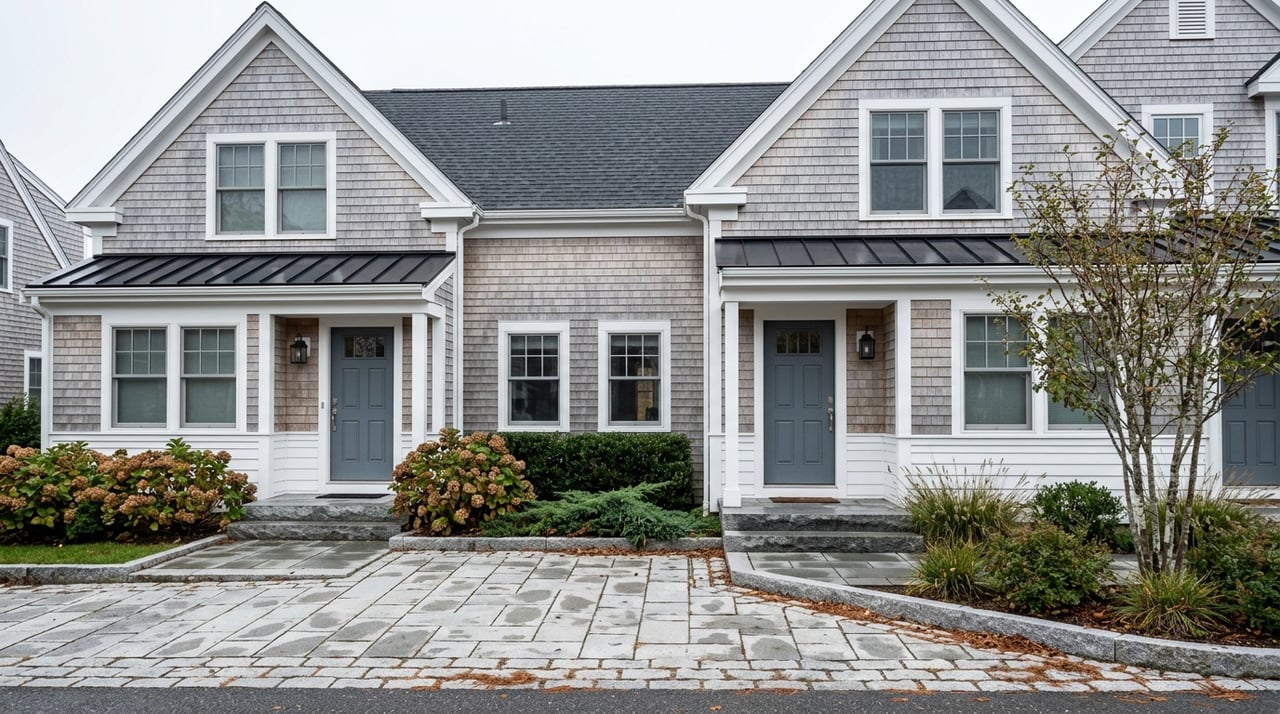
If you picture condo or townhome living as a simple step down from a single-family house, Kennebunkport may surprise you. In this coastal Maine market, attached homes are often about location, design, and ease of ownership, not bargain pricing. If you are weighing a second home, a downsizing move, or a low-maintenance coastal base, this guide will help you understand what condo and townhome living in Kennebunkport really looks like. Let’s dive in.
Kennebunkport is not a generic condo market. Local planning documents emphasize preserving the town’s historic character, natural resources, coastline, and small-town feel, and the village historic district includes more than 175 historic structures near Spring, Main, and School streets.
That context matters when you shop for attached housing here. You are often choosing a home in a preservation-minded coastal setting where architecture, walkability, and proximity to the waterfront shape the experience as much as square footage.
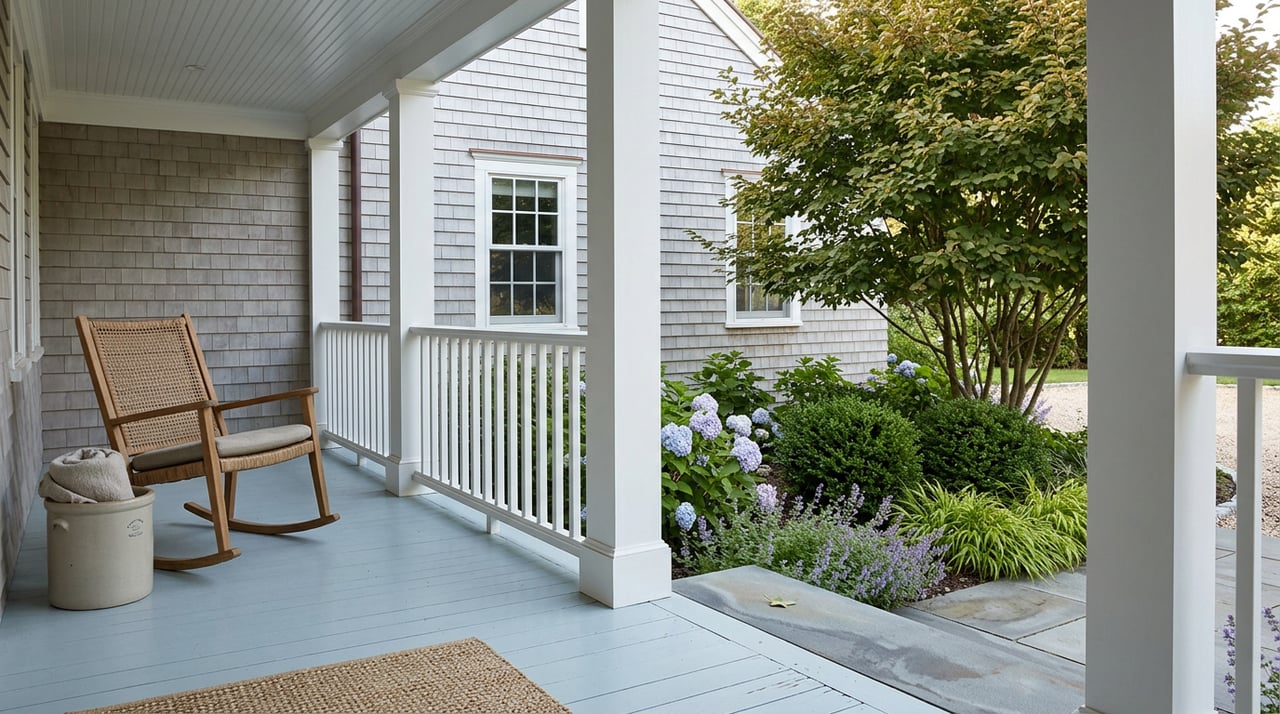
Current listings also reflect that lifestyle. Buyers may find features such as water or scenic views, reserved parking, decks, patios, porches, public sewer and water, and access to shopping, waterfront attractions, or a public beach.
One of the first things to know is that Kennebunkport has a small condo inventory. Recent market snapshots show just three condo listings in town, with asking prices around $1.899 million, $2.5 million, and $3.399 million, while zip code 04046 showed a median listing price of about $1.469 million.
That means condo and townhome living here is often a lifestyle decision rather than a lower-cost substitute for a house. If you want more options or a broader price range, it may make sense to widen your search to nearby Kennebunk, where current listings show more condos and townhomes available.
For many buyers, that wider search opens up more flexibility while still keeping you close to the Kennebunkport coastal routine you may want.
In everyday conversation, people often use “condo” and “townhome” as if they mean the same thing. In Maine, the more important question is what you actually own and how the property is legally structured.
Under Maine law, a condominium is real estate where some portions are separately owned and the rest is owned in common by the unit owners. So even if a property looks and lives like a townhouse, it may still function legally as a condo.
That is why the recorded declaration and bylaws matter so much. They define what is part of your unit, what is shared, and who handles maintenance and repair.
In general, Maine law says the finished interior surfaces of the unit belong to the owner. That usually includes the inward-facing, finished parts of walls, floors, and ceilings.
For a buyer, this is where details matter. Two homes with a similar layout may come with very different ownership responsibilities depending on how the condominium documents define the unit boundaries.
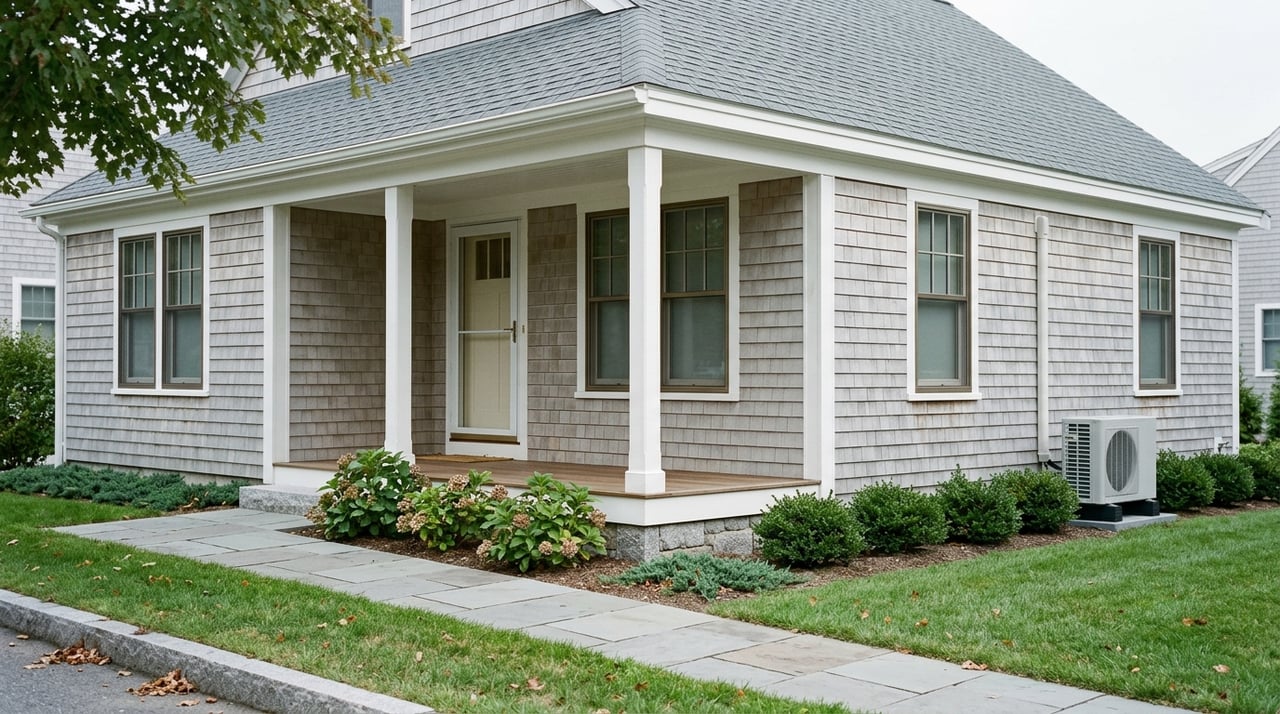
Items such as exterior doors and windows, porches, balconies, patios, stoops, awnings, and shutters can be treated as limited common elements if the declaration says so. In plain English, that means they may be reserved for your use, but not fully owned and maintained the same way as the interior of your unit.
This is one of the biggest reasons a townhouse-style home can feel like a house while operating like a condo. If you want clarity on maintenance obligations, the governing documents are just as important as the showing itself.
For many buyers, the appeal of condo or townhome living is simple: less exterior upkeep. Under Maine law, the association is responsible for maintenance, repair, and replacement of the common elements, while each owner is responsible for the unit itself.
That setup can be ideal if you want a lock-and-leave home near the coast. It can also be attractive if you would rather spend your time enjoying the waterfront, nearby beaches, parks, and trails than handling every exterior project yourself.
The tradeoff is governance. You gain shared maintenance, but you also give up some unilateral control over repairs, exterior changes, and community rules.
Monthly dues are only the starting point. Maine law requires condo associations to make assessments at least annually based on an adopted budget, and the law allows certain limited common element costs to be specially assessed to the units they serve when the declaration requires it.
That means your review should go beyond “What are the dues?” You will want a fuller picture of the association’s financial health and how it plans for future work.
Past-due common expense assessments can also bear interest at a rate set by the association, up to 18% per year. That is another reason it is smart to understand the rules and financials before you commit.
In Maine, condo disclosures are not just paperwork to skim at the end. They are one of your best tools for evaluating whether a property fits your budget, goals, and comfort level.
Maine requires key documents such as public offering statements and resale certificates to disclose the declaration, bylaws, rules, reserve information, projected assessments, monthly common expense assessments, unpaid common or special assessments, and other fees payable by unit owners.
If you are comparing several attached homes, these documents can help you spot meaningful differences that may not show up in listing photos. A well-run association, realistic reserves, and clear maintenance responsibilities can strongly affect the long-term ownership experience.
Insurance is another important part of condo ownership in Maine. State law requires the association to carry property insurance on the common elements and liability insurance, and it sets out how proceeds are handled if part or all of the condominium must be repaired or replaced after a loss.
In a coastal town like Kennebunkport, long-term stewardship matters. Local planning documents specifically identify sea-level rise as a community issue, so buyers should pay close attention to how an association is funded and how prepared it appears for ongoing maintenance and future building needs.
This is where a technical eye can be valuable. A beautiful coastal property may still deserve close questions about building systems, exterior exposure, reserve planning, and the practical realities of shared maintenance.
Condo and townhome living in Kennebunkport tends to work best for buyers who value coastal access, convenience, and a lower-maintenance routine. That often includes second-home buyers and downsizers who want a home base near the coast without taking on the full exterior workload of a standalone house.
Current listing patterns support that idea. Open-concept layouts, first-floor primary suites, scenic or water views, reserved parking, decks, public utilities, and easy access to shops, the waterfront, or a public beach all align with a lock-and-leave coastal lifestyle.
You may be a strong fit for this lifestyle if you want:
You may prefer a single-family home if you want:
If you hope to use a condo or townhome as a short-term rental, do not assume the plan will work automatically. In Kennebunkport, short-term rentals are subject to a local licensing and inspection process.
The town’s checklist requires an STR license, posted Good Neighbor Guidelines, parking that matches the approved application, safety and egress features, smoke and carbon-monoxide alarms, GFCI protection, and occupancy limits of two per bedroom plus two.
You will also need to verify the association’s own rental restrictions. Even if a property works under town rules, the condo documents may impose additional limits that affect your plans.
Because inventory is limited and often premium-priced, it helps to look at each condo or townhome through two lenses at once. First, evaluate the lifestyle fit: location, views, walkability, parking, layout, and ease of ownership. Second, evaluate the structure behind the lifestyle: legal boundaries, maintenance responsibilities, reserves, assessments, insurance, and rental rules.
In Kennebunkport, that combination is especially important. The right attached home can offer a refined, coastal, low-maintenance way to live, but the best decisions come from understanding both the property’s character and its governing framework.
If you are considering condo or townhome living in Kennebunkport or nearby coastal communities, Marika Clark can help you evaluate the lifestyle, the documents, and the long-term stewardship questions that matter most.
Marika Alexis Clark brings unmatched insight, care, and dedication to every home journey. Whether buying, selling, or simply exploring possibilities, her integrity and passion ensure you feel confident every step of the way.