
Short-Term Rental Kennebunkport Buyer’s Guide
April 2, 2026
April 2, 2026
Thinking about buying a short-term rental in Kennebunkport? It is easy to focus on summer demand, coastal charm, and the idea of offsetting ownership costs, but this market rewards careful planning more than quick assumptions. If you are considering a property here, you need to look beyond nightly rates and ask whether the home, location, and licensing path truly support your goals. Let’s dive in.
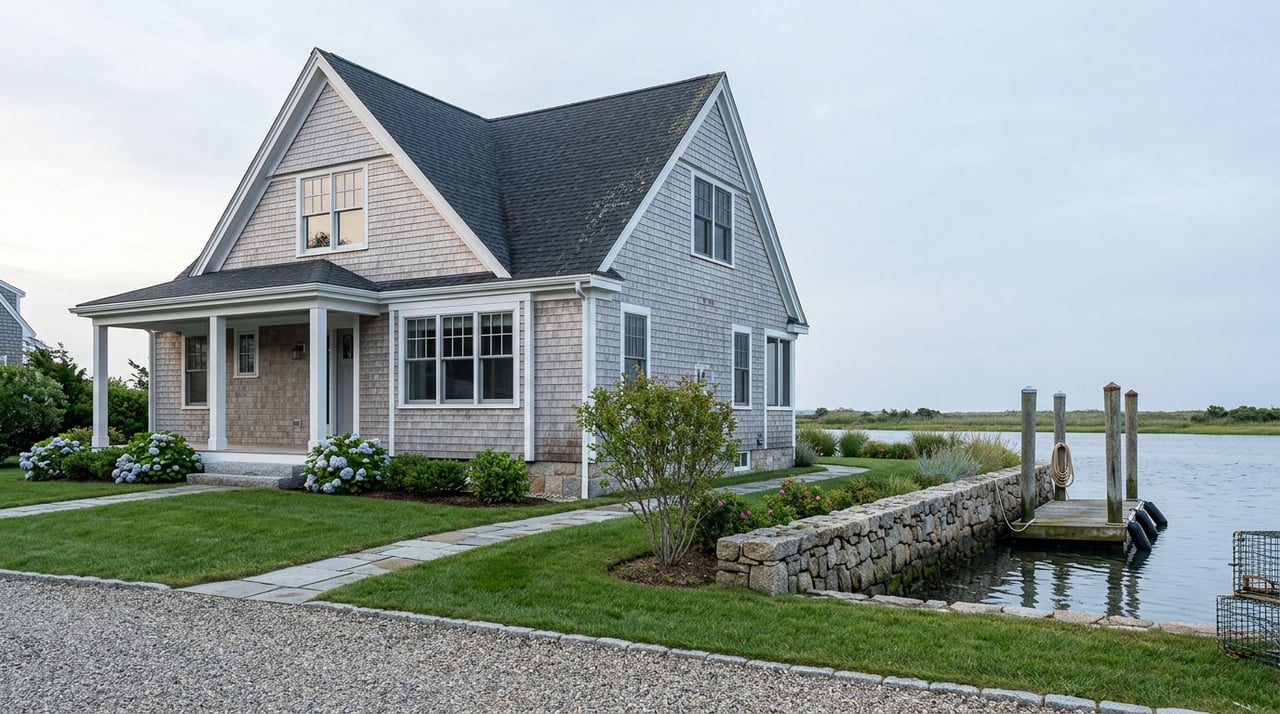
Kennebunkport has obvious short-term rental appeal. It sits in one of Maine’s best-known coastal tourism markets, with strong summer visitation and steady interest in beaches, Dock Square, boating, and classic coastal experiences.
That seasonal pattern is backed by statewide tourism data. According to a Maine tourism and economist report, 60% of out-of-state visitors arrive in summer, and lodging occupancy between May and August 2022 reached 76.5% for hotels and 67.6% overall. For you as a buyer, that supports the idea of strong peak-season demand, but not steady year-round performance.
Local housing patterns tell a similar story. A significant share of housing in Kennebunkport is seasonal, and that makes this a market where summer can do much of the financial heavy lifting. If you are underwriting a purchase, it is wise to treat shoulder-season bookings as a bonus and winter demand as supplemental rather than guaranteed.
The biggest mistake many buyers make is projecting a full-year income story onto a very seasonal market. Kennebunkport may offer excellent summer occupancy potential, but that does not mean every property will perform consistently in late fall or winter.
The state is actively working to expand off-season visitation, which may support longer-term tourism trends. Visit Maine also highlights winter activity in southern Maine, including seasonal events and stay packages in the Kennebunks. Still, if you are making a purchase decision today, conservative assumptions are usually the smarter path.
A practical way to think about it is this:
If a property only works financially under best-case year-round assumptions, it may not be the right buy.
In Kennebunkport, short-term rental potential is not just about the home. It is about whether the property can be legally used the way you intend.
Under Chapter 129 of the town code, a short-term rental license is required before a dwelling unit may be advertised, rented, or operated as an STR. The license is annual, expires on December 31, and generally does not transfer to a new owner or a new location.
That one point matters more than many buyers expect. You should not assume that because a property has operated as a short-term rental in the past, you can simply step in and continue business as usual after closing. In many cases, you will need your own licensing path.
One of the most important due diligence questions is how the property is classified under the town code. A home may appear ideal for guests, but that does not automatically mean it qualifies for STR licensing under current rules.
Chapter 129 excludes some property types from STR licensing, including certain accessory apartments, recreational vehicles, trailers, tents, and some units within affordable housing developments during the affordability restriction period. The ordinance also notes that lodging establishments, seasonal rental accommodation complexes, and residential rental accommodations are exempt from Chapter 129, which means classification can affect the rules that apply.
There is also useful legal context here. In a 2024 Maine Supreme Judicial Court decision involving Kennebunkport, the Court held that legally existing residential dwelling units rented for fewer than 30 days were eligible for STR licenses under the ordinance version at issue, even though the town argued they functioned more like hotel or inn units. For you as a buyer, this reinforces a simple truth: prior use history and legal classification can be just as important as bedroom count or layout.
Kennebunkport’s rules also affect how many guests a property can realistically support. The ordinance limits occupancy to no more than two tenants per bedroom plus two additional tenants total, and guest parking is limited to the on-site spaces designated in the application.
There are also licensing caps to consider. The ordinance states that new licenses on a lot are limited to no more than two or 50% of the dwelling units on that lot, whichever is greater. Goose Rocks Beach is exempt from the townwide cap, but it is not exempt from the licensing requirement.
These details matter because they can directly affect revenue. A home that looks attractive on paper may produce very different results if parking is tight, the approved bedroom count is lower than expected, or your intended occupancy does not align with the ordinance.
In Kennebunkport, guests are not only paying for a place to sleep. They are paying for ease, comfort, and access to a coastal Maine experience.
The town’s STR inspection checklist gives a practical sense of what matters operationally. It calls for visible address numbers, sound decks and railings, adequate parking, a secondary means of egress, a fire extinguisher, smoke alarms, carbon monoxide alarms where required, GFCI-protected outlets, and a bedroom count that matches the approved permit.
Local hospitality listings also hint at what guests notice and value. On Visit Maine, lodging options in this market often highlight amenities such as free parking, breakfast, Wi-Fi, heating or air conditioning, kitchenettes, and convenient access to beaches, Dock Square, boat trips, and local seafood experiences. That means your buying lens should include comfort and location, not just square footage.
If this will be a second home or an out-of-state purchase, short-term rental ownership in Kennebunkport may be more hands-on than you expect. The ordinance requires accurate records, posted owner or local contact information, and compliance with occupancy and parking rules.
The inspection checklist also calls for a local responsible party who can respond to renter or neighbor issues at all times during the rental period. In practice, that means remote ownership usually needs a reliable local system, whether that is a property manager, cleaner, maintenance team, or another designated contact.
This is where thoughtful planning matters. A beautifully located home can become stressful quickly if no one nearby can handle guest issues, routine turnover, or town communication.
In coastal Kennebunkport, flood risk deserves close attention before you commit to a purchase. A property can have excellent rental appeal and still carry insurance costs, permit considerations, or long-term resilience questions that change the math.
The town participates in the National Flood Insurance Program and uses FEMA flood maps dated July 17, 2024. Under the town code’s flood hazard provisions, a flood hazard development permit is required before construction or other development in special flood hazard areas.
This is especially important if you are considering renovations, additions, or exterior improvements after purchase. It is also relevant if you are relying on rental income to support ownership costs, since insurance and flood-related constraints can materially affect your return.
If you plan to rent the property on a short-term basis, Maine tax compliance should be part of your early planning. According to Maine Revenue Services, rentals of lodging are taxed at 9%, and returns are due by the 15th of the month based on the filing schedule.
This does not need to be intimidating, but it does need to be accounted for. Before you close, make sure you understand the registration and remittance process and how that tax fits into your operating model.
Before you buy a short-term rental in Kennebunkport, it helps to work through a focused checklist. This can keep you from overpaying for rental potential that may not fully translate after closing.
Here are the key items to verify:
The strongest short-term rental purchases in Kennebunkport usually have two things in common. First, they make sense as real estate, even apart from rental income. Second, they have a clear and supportable path for legal operation, practical management, and realistic seasonal performance.
That is especially important in a market where lifestyle and stewardship matter. If you are buying here, you are not just buying a spreadsheet. You are buying a coastal asset with its own physical condition, regulatory context, seasonal rhythm, and long-term value story.
If you want help evaluating a Kennebunkport property through both a lifestyle and due diligence lens, Marika Clark offers thoughtful buyer guidance grounded in local knowledge, technical fluency, and concierge-level service.







Marika Alexis Clark brings unmatched insight, care, and dedication to every home journey. Whether buying, selling, or simply exploring possibilities, her integrity and passion ensure you feel confident every step of the way.