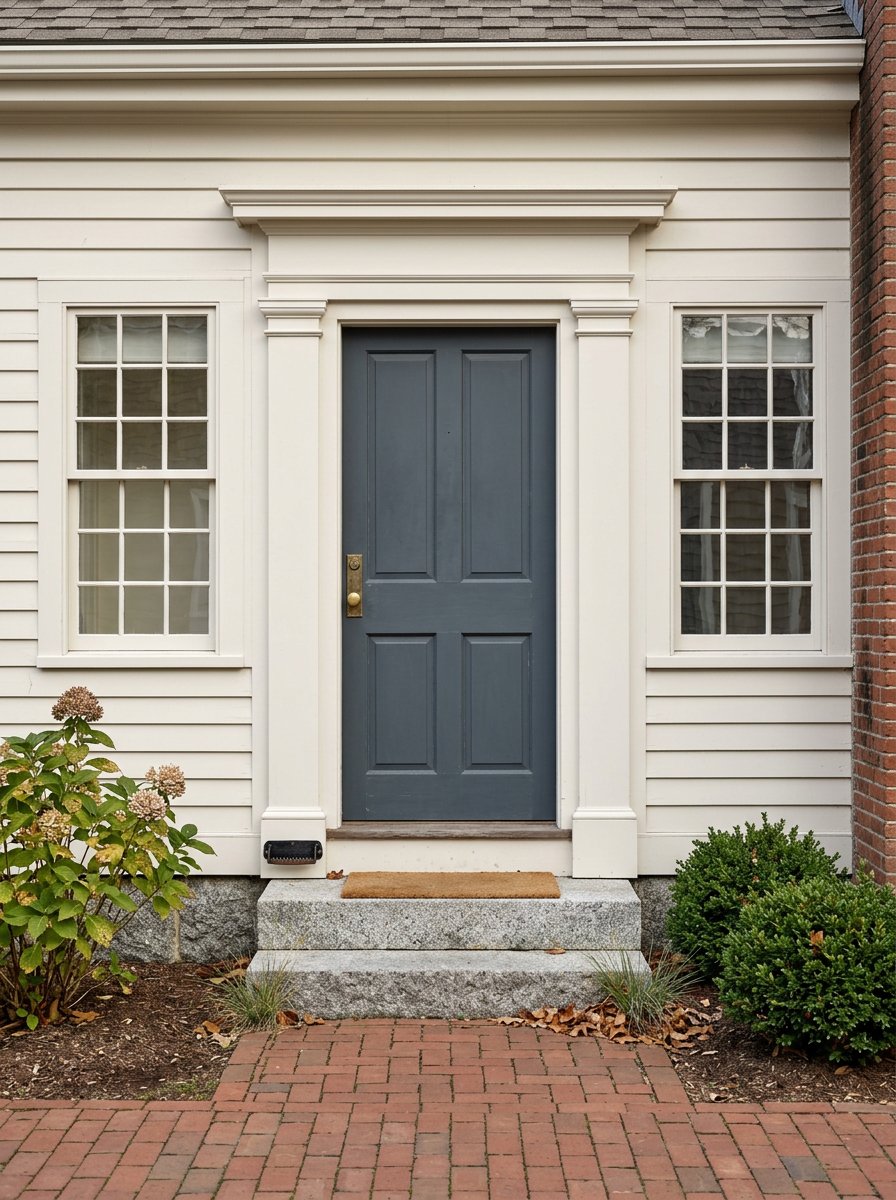
Historic Homes in Kennebunkport: A Buyer’s Guide
March 24, 2026
March 24, 2026
Love the idea of a classic Kennebunkport captain’s house or a Shingle-style cottage near the sea, but not the surprises that can come with age? If you are drawn to history, craft, and a coastal lifestyle, you are in good company. In this guide, you will learn where to find historic homes in Kennebunkport, how to recognize key styles, what rules and permits apply, and how to plan smart inspections and upgrades. Let’s dive in.
Kennebunkport’s story shows up in its streetscape. In and around Dock Square and the village core, you will see late 18th and early 19th century homes tied to shipbuilding prosperity and coastal trade. The nearby Cape Arundel area later evolved into a summer colony known for large Shingle-style residences. Publicly known landmarks like Walkers Point and the Kennebunk River Club illustrate that summer estate pattern documented within the Cape Arundel Summer Colony Historic District.
Two National Register historic districts capture this mix of working seaport heritage and summer estates. The Kennebunkport Historic District highlights the village’s Federal-period character and early residential fabric, as outlined by the Maine Historic Preservation Commission. Together, these areas frame what buyers love: classic New England architecture, walkable village life, and oceanfront scenery.
Local planning factsheets outline the styles and timeframes you will encounter in Kennebunkport’s village and coastal neighborhoods. Here is a quick reference, helpful when you tour:
For more style context and dates, see the town’s historic preservation factsheets.
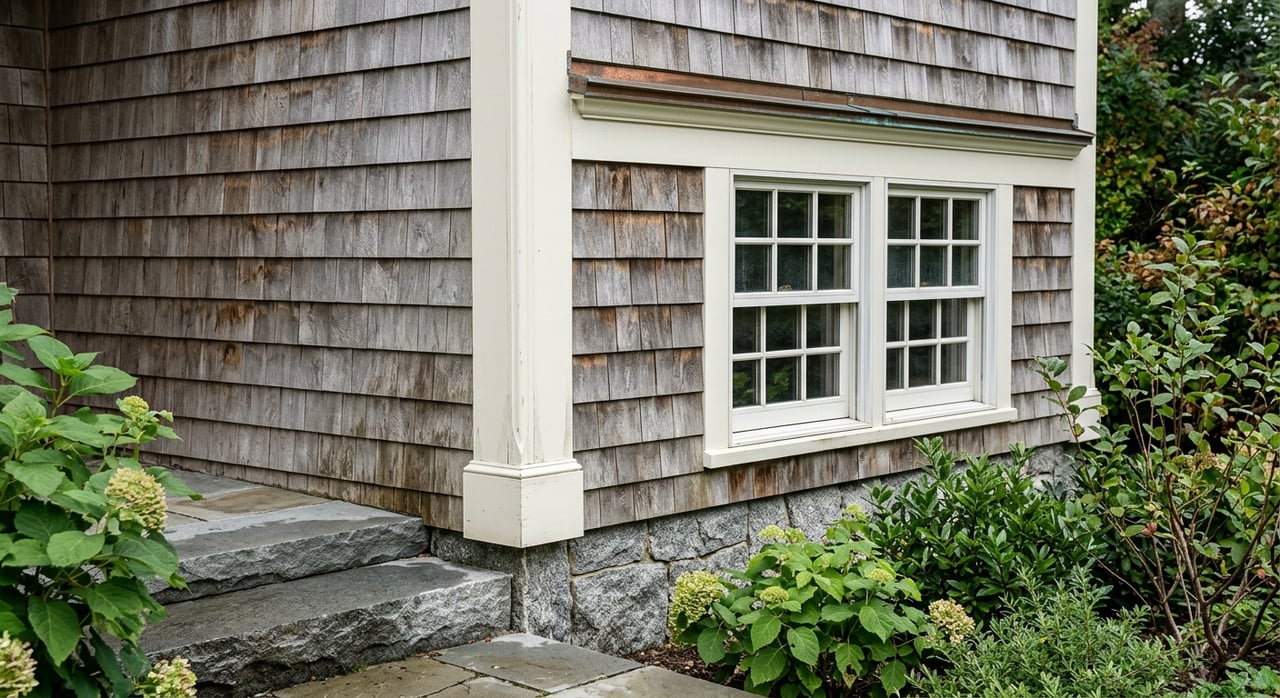
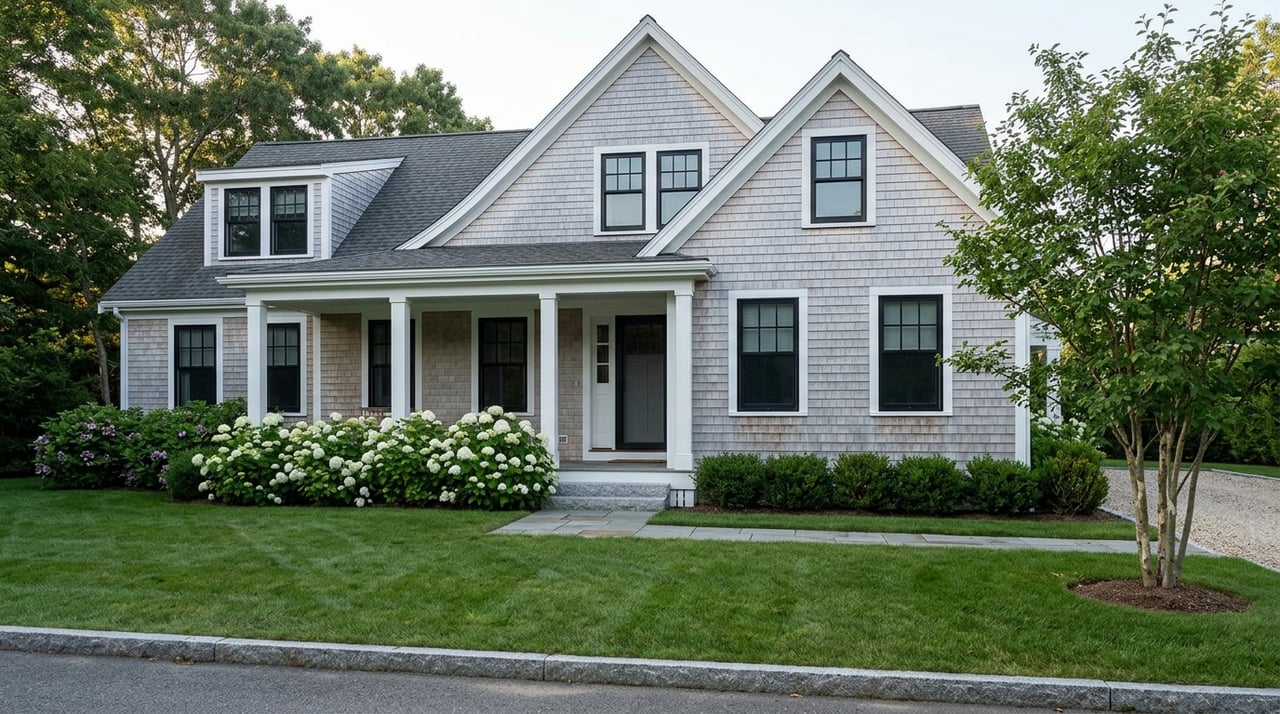
Most historic homes here are wood-frame, either heavy timber or early light framing. Exteriors are typically wood clapboard or cedar shingle. Many sit on granite or fieldstone foundations that reflect early construction practices.
Inside, you may find plaster on lath, wide-plank floors, original millwork, and wood sash windows. The character you see often signals original systems you cannot see. Expect single-pane windows, older insulation levels, masonry chimneys, and legacy heating systems. These details are part of the charm and part of the stewardship.
Kennebunkport has National Register listings, but it does not operate a local historic-district design review commission that regulates most private exterior changes. The town’s comprehensive plan makes this distinction clear, so do not assume National Register listing equals local design control. Review the policy in the Kennebunkport Comprehensive Plan, and always confirm current requirements with the Planning and Development office.
Many coastal parcels fall under shoreland and resource protection rules within the Land Use Ordinance. Expansion, enclosure of porches, or work on nonconforming structures near the water can trigger additional approvals. The ordinance’s shoreland and related overlay provisions are actively applied. Before you plan changes, review the relevant sections and recent decisions referenced in the Land Use Ordinance on eCode360.
Kennebunkport requires building permits for most structural work. Plan for review time, inspections, and possible planning or board approvals where overlays apply. You can preview submittal requirements and fees on the town’s Planning and Development forms and permits page.
Maine’s statewide building and energy code (MUBEC) applies to many renovations and additions. Work scope determines how much current code you must meet. Your contractor and the local inspector can help you understand which triggers apply and how to phase work to align with your goals.
Before you change anything, identify the features that carry the home’s character. Think about windows, doors, trim profiles, porches, and roof forms. The Secretary of the Interior’s Standards provide a national baseline for retaining and repairing historic fabric in a way that suits modern living. Review the approach outlined by NPS Technical Preservation Services on rehabilitation standards and guidance.
Coastal weather accelerates paint wear and can lead to rot in trim and porch framing. Good flashing, caulking, and a disciplined paint schedule are your best defenses. Address drainage at the foundation and monitor stone or granite walls for settlement or moisture intrusion. Consistent maintenance is often the lowest-cost strategy over time.
Historic wood sash can be remarkably durable. A repair-first approach, combined with weatherstripping and quality storm windows, often improves performance while keeping the original look. Start with air sealing and attic insulation, then address targeted mechanical upgrades. You get comfort and efficiency without erasing the details that make the home special.
If your home has pre-1978 paint, any disturbance by paid contractors triggers lead-safe work practices under EPA’s RRP program. Old wiring, including knob-and-tube, and suspect materials like some insulations or floor tiles may require licensed evaluation. Build time and budget for testing, abatement where needed, and electrical upgrades. Learn more about safe practices in the EPA’s RRP rules.
Some Kennebunkport properties lie within FEMA flood hazard areas. Your lender and insurer will look at the parcel’s FEMA map designation and base flood elevation. Substantial improvements can trigger elevation or mitigation requirements. Before you write an offer, check the exact address against the town’s FEMA flood map resources and request any elevation certificates on file.
Use this quick list to shop with confidence:
Historic homes in Kennebunkport let you live with craft, provenance, and coastal beauty. When you understand the styles, the permitting landscape, and the best-practice approach to repairs, you can buy with clarity and renovate with confidence. If you would like a curated search and a renovation-savvy plan that protects value, connect with Marika Clark for a private consultation.


Marika Alexis Clark brings unmatched insight, care, and dedication to every home journey. Whether buying, selling, or simply exploring possibilities, her integrity and passion ensure you feel confident every step of the way.