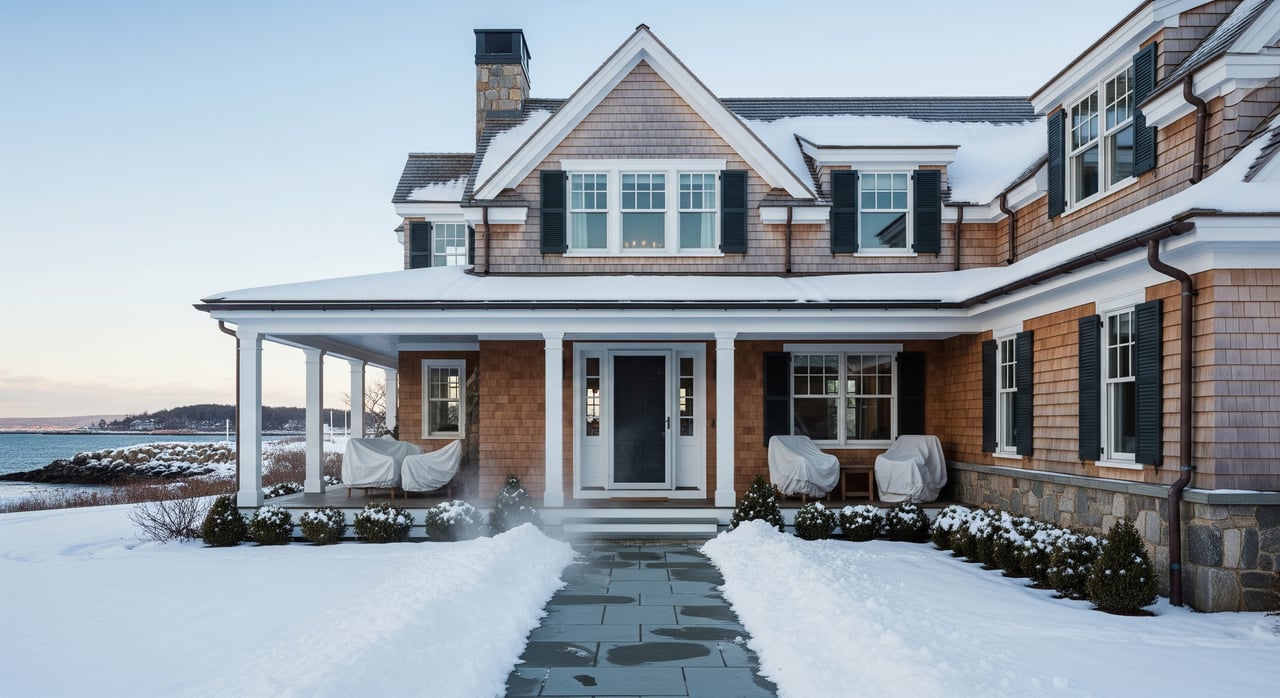
Winterized Homes in Kennebunkport: What Buyers Should Know
December 18, 2025
December 18, 2025
You spot the word “winterized” in a Kennebunkport listing and pause. Does that mean the home is ready for cozy winter weekends, or that everything is shut down until spring? In southern coastal Maine, the same word can signal two very different situations. You want clarity before you schedule inspections, write an offer, or plan a winter move-in.
This guide breaks down what “winterized” typically means here, how it relates to “seasonal” and “year-round,” and what to check so you avoid surprise repairs. You will also find the key questions to ask, how to structure your offer, and when to bring in the right pros. Let’s dive in.
In Kennebunkport and York County, “winterized” is used in two ways. The difference matters.
This usually means the home is shut down to prevent freeze damage while it sits empty. Common steps include draining water lines and the water heater, placing non-toxic antifreeze in traps, switching off or turning down heat, and securing fuel and some electrical circuits. Many second homes are listed in late fall after owners perform these steps.
Here, “winterized” means the home is prepared to be used in winter. Expect active heat, insulated pipes, possibly heat tape on vulnerable lines, and other freeze-protection measures like frost-proof exterior spigots. Systems should be ready to run and be tested.
Bottom line: always confirm whether the listing means winter-shut for vacancy or winter-ready for use.
When you see “winterized,” focus on the systems most affected by cold and vacancy.
If shut down, the main water may be off, lines and the water heater drained, and traps treated. For well systems, pumps and pressure tanks might be protected or taken offline. If winter-ready, look for insulated interior pipes, heat tape on exposed runs, and frost-proof spigots. Ask when water was last active and whether any lines run through crawlspaces or exterior walls that are prone to freezing.
A winter-shut home may have the furnace or boiler turned off with fuel deliveries paused. A winter-ready home should have an operational system, a working thermostat, and adequate fuel in oil or propane tanks. Systems that have sat idle may need a professional service before start-up.
Homes meant for winter use usually have attic, wall, and basement or crawlspace insulation, plus weather-stripping. Seasonal cottages may have minimal insulation and no storm windows. Pay special attention to crawlspaces, where poor insulation or ventilation can increase pipe freeze risk.
Well equipment and lines need protection from freezing, especially the run between the well and the house. Septic systems generally tolerate winter, but lids and access points should be reachable. Frozen ground or poor cover can cause issues, and very low winter use can shift septic biology without signaling a failure right away.
In a winter-shut home, nonessential circuits might be off. Any sump pumps and backups should remain active, because freeze-thaw cycles can stress foundations. Make sure alarms, essential circuits, and backups are in place if the sump pump is needed to prevent flooding.
Check roofs for ice dam history, the condition of gutters and downspouts, and whether the home has storm doors or windows. If you plan to live there in winter, confirm driveway access and snow removal arrangements. Ask about any municipal or association guidelines for plowing and sand.
Water heaters, boilers, and furnaces that were shut down often require a professional restart. Fireplaces and woodstoves should be inspected and cleaned before use.
Get precise answers up front to reduce risk and streamline inspections.
Plan your due diligence so each system can be properly evaluated.
If the home is winter-shut, schedule de-winterization before the main inspection so systems can be tested under normal conditions. Build in time for re-inspection after start-up.
Your inspector can identify freeze risks, evidence of past leaks, and insulation gaps. Expect some limits if systems are still shut down. Many inspectors will not operate equipment that has been winterized without a licensed professional.
Once water is restored, request a pressure test and a thorough leak check. Watch for hidden damage where residual water may have frozen in lines or fixtures.
Have a licensed HVAC or boiler technician verify safe start-up, check combustion safety and venting, and confirm that thermostats and controls work.
If you plan to use a fireplace or woodstove, arrange for a chimney inspection and cleaning.
If the property is not on municipal services, schedule well water and flow testing and a septic evaluation. Confirm access to components in winter.
Test pumps and confirm battery backups or generator support if the system is essential to prevent water intrusion.
Use your offer to secure access, testing, and remedies if problems are uncovered.
Coastal Maine winters can bring freeze-thaw swings, storms, and wind. Fuel deliveries and contractor calendars fill quickly in peak winter, so schedule early.
Kennebunkport and the York County coast have many second homes. It is common for sellers to winterize properties for vacancy when the season ends. That is why you may see “seasonal,” “winterized,” and “year-round” shorthand in listings.
Average winter lows are typically below freezing in southern coastal Maine, and salt air with wind can add stress to exposed systems. Even modest homes need protection for any lines that run through exterior walls or unconditioned spaces. Plan inspections and start-up well before a severe cold snap when possible.
Insurers often treat vacant and seasonal homes differently. Coverage for freeze damage can depend on proper winterization or maintaining heat. If you plan to keep a home vacant part of the winter, ask your insurer about any required endorsements or monitoring.
Lenders may also set conditions for properties that will be vacant, such as maintaining heat, performing winterization, or having a local contact. Confirm requirements early in your process so you can budget and schedule accordingly.
Costs vary based on home size, systems, and the condition of equipment after sitting idle. Some tasks are simple, like basic de-winterization by a licensed plumber. Others can be significant, such as repairing burst pipes or servicing an older boiler. Build a contingency fund for issues discovered during start-up and consider insulation upgrades if you plan to convert a seasonal home to year-round use.
Request access and inspections as early as possible in your contingency window. Coordinate de-winterization before the main inspection so everything can be tested under normal operation.
When you see “winterized” in a Kennebunkport listing, think of it as a prompt, not a promise. Clarify whether the home is winter-shut for vacancy or winter-ready for occupancy. Confirm utility status, gather documentation, plan inspections with systems active, and use contract terms that allow safe start-up and re-inspection. With the right steps and the right team, you can protect your purchase and step into your coastal Maine life with confidence.
If you want a knowledgeable guide who understands both luxury coastal living and the technical side of winterization, reach out to Marika Clark for a private consultation.
Marika Alexis Clark brings unmatched insight, care, and dedication to every home journey. Whether buying, selling, or simply exploring possibilities, her integrity and passion ensure you feel confident every step of the way.