Picture a harbor town that hums all summer, then exhales into a quiet, sea‑blue winter where Santa arrives by lobster boat and lights glow against fresh snow. If you love Kennebunkport for its energy in July and its calm in January, you already know the seasonal flip is part of the charm. You may also wonder how those rhythms affect daily life, travel, and the realities of owning a coastal home. In this guide, you’ll see how Kennebunkport changes from summer to winter and what that means for maintenance, access, and smart buying decisions. Let’s dive in.
Summer: lively and high‑service
What it looks like
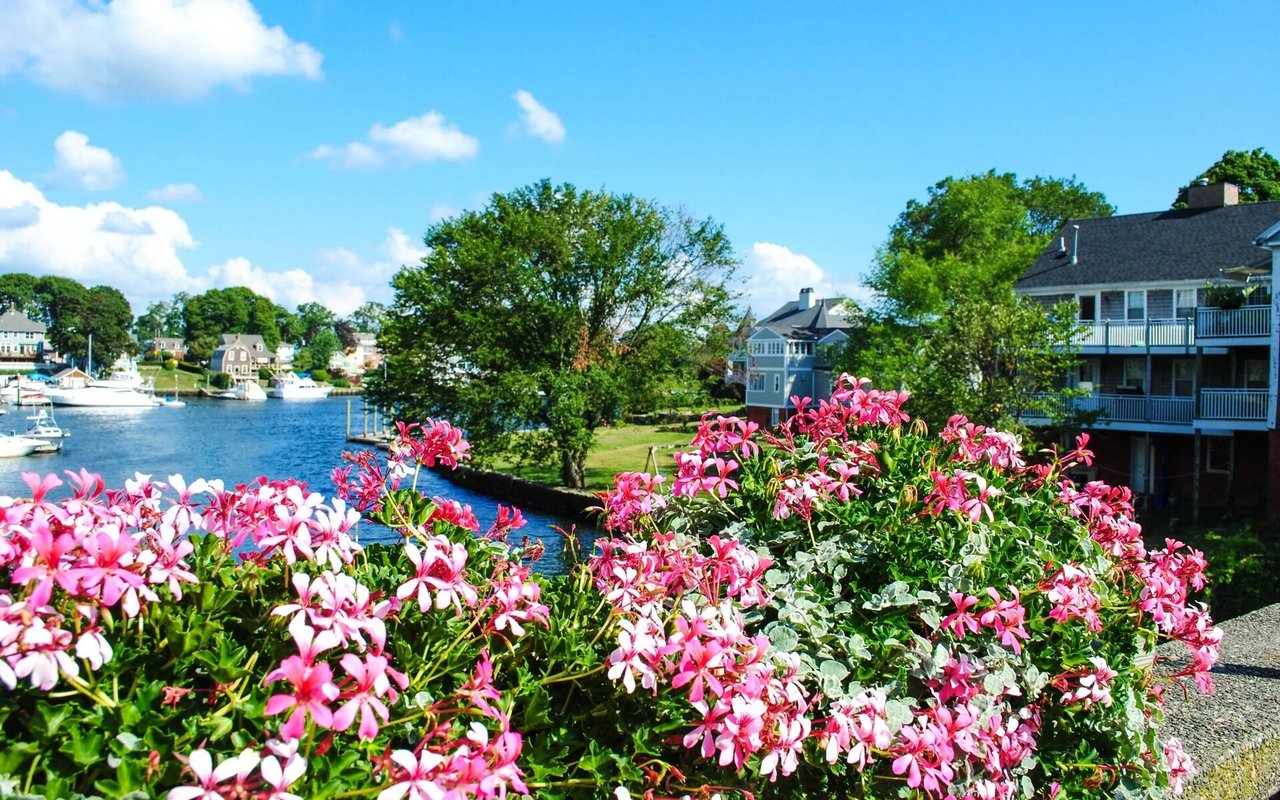
Summer is peak season. Beaches are busy, Ocean Avenue is a steady parade of walkers and cyclists, and Dock Square draws shoppers to galleries and boutiques. Local trolleys and boat operators ramp up service, and you feel a holiday mood in the harbor.
Parking fills quickly near the village and beach access points. Longstanding travel guides recommend planning for congestion and using trolley or park‑and‑walk strategies near the busiest zones to avoid parking stress on sunny weekends. You will see more short‑term visitors, and restaurant waits can stretch in the evenings. Frommer’s coastal guide notes these summer patterns and offers practical tips for moving around town.
What it means for homeowners and buyers
- Expect increased summer demand on local services. The water district that serves this corridor scales with population swings of roughly 30,000 in the off‑season to about 100,000 in peak months, which explains why summer feels busier and services expand. Regional planning data help put that in context.
- If you plan to rent, understand the rules. Kennebunkport requires a short‑term rental license, inspections, and renewal. You cannot simply list a property without a town license. Read the current ordinance carefully before you model income. Review the town’s licensing code.
- For buyers, summer showings highlight lifestyle. You will see true foot traffic, beach patterns, and how a property lives with doors open and decks in use. Pricing reflects a premium coastal market with low inventory, especially near water and the village. Treat summer as your chance to experience maximum vibe and test drive neighborhood access on busy days.
Shoulder seasons: quieter, flexible, and local
What it looks like
May and September through November are calmer. Many seasonal restaurants trim hours, some marine charters scale back, and there is more space to park near village streets. You still get crisp walking weather, photography‑worthy light, and time on the water when conditions allow, but day‑to‑day activity is a beat slower than July and August.
What it means for homeowners and buyers
- This is a great time for project planning. Schedules at some vendors open up, and you can complete inspections, exterior painting, and roof or window work without peak‑season crowds.
- If you are comparing neighborhoods, shoulder months help you hear what a house sounds like when it is not in full summer mode and let you gauge sun patterns, wind off the water, and privacy with leaves down.
- For rentals, nights may not book as easily as mid‑summer, so plan rates and occupancy with realistic expectations and within license terms.
Winter: calm, coastal, and resilient
What it looks like
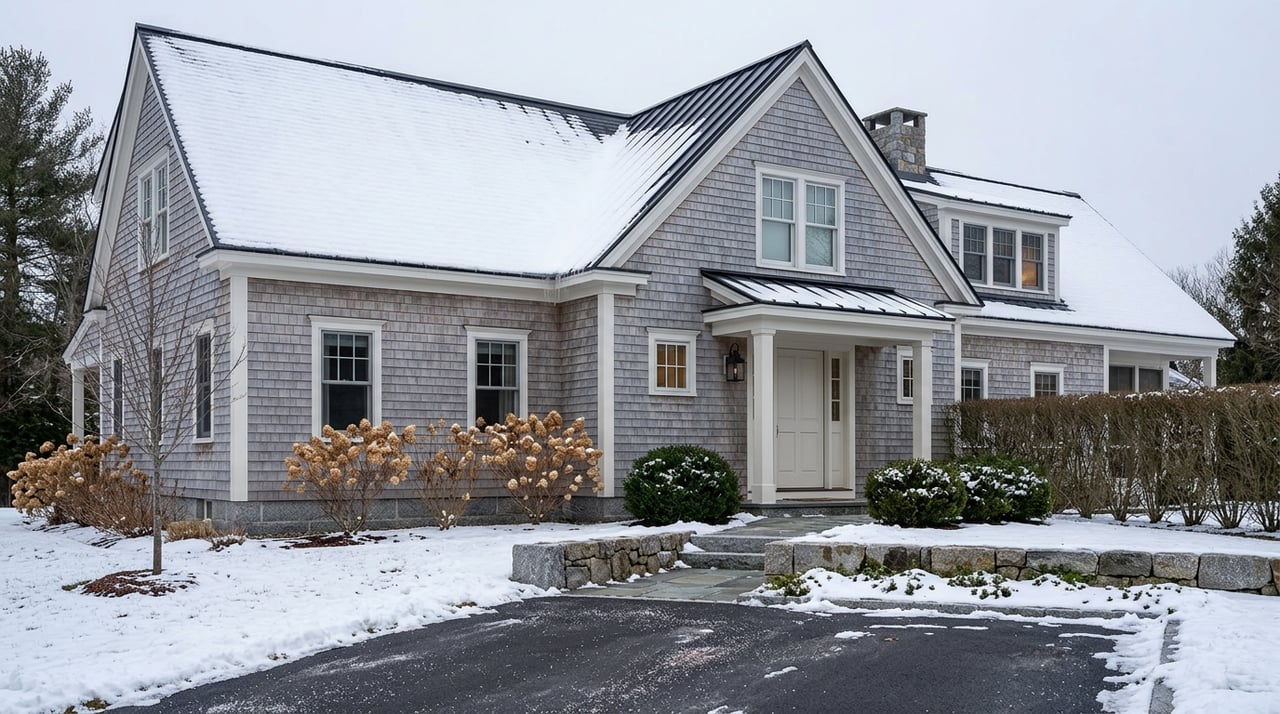
Winter brings a deliberate quiet. Many shops and restaurants either reduce hours or pause until spring. Early December is the exception. The town’s celebrated Christmas Prelude lights the village and draws weekend crowds for concerts, craft fairs, and traditions like Santa arriving by lobster boat. It feels festive and local at the same time. Explore the event highlights through the Christmas Prelude overview.
Outside the holiday weeks, the pace slows. You notice the beauty of open beaches, bright winter skies, and tides marching in and out of working harbors.
What it means for homeowners and buyers
- Winter is when coastal resilience shows. The January 2024 storms overtopped wharves and flooded low causeways in parts of the coast, prompting repair funding and planning work. If you are evaluating a property’s elevation, access, or pier condition, winter reveals stress points. Read regional reporting on the event and local response in the Portland Press Herald.
- Plan for heat, power, and monitoring. Maine has a strong legacy of heating oil systems, even as heat pump adoption grows. Expect meaningful heating costs if you occupy year‑round, or invest in smart thermostats and service plans if you close the house seasonally. See the state’s energy profile on Maine.gov.
- Winterization is a must for seasonal owners. Typical steps include protecting plumbing, servicing boilers or furnaces, preventing ice dams, securing outdoor systems, testing backups like generators, arranging snow removal, and setting up local property checks. A practical list is outlined in this vacation‑home plumbing and care guide.
Travel and access by season
- Airports and drive times. Portland International Jetport is typically a 30 to 50 minute drive north, depending on traffic. Boston Logan is roughly 1.5 to 2 hours south by car. Public transit options into Kennebunkport are limited, so most owners rely on cars.
- Summer congestion. On fair‑weather weekends, plan for slower drives into town and limited parking near beaches and Dock Square. Longtime travel resources suggest park‑and‑walk or trolley options when possible. See the practical guidance noted in Frommer’s Maine Coast guide.
- Winter storms. High tides and storm surge can temporarily flood low‑lying causeways and disconnect small islands or peninsulas during severe events. If you expect to access a home year‑round, plan for alternate routes and have a backup power and fuel plan. The Press Herald’s storm coverage captures why winter readiness matters.
Market context and timing your search
Kennebunkport is a premium coastal market with many homes trading at seven figures, especially near water and village amenities. Inventory is typically tight, and showings can be seasonal. Summer highlights lifestyle and walkability, while shoulder months let you evaluate a property’s wind, light, and privacy with fewer crowds. Winter showings reveal how a home handles storms, plowing, and power.
Seasonality also shapes community makeup. A 2018 town study, cited in regional reporting, estimated that about 47% of Kennebunkport’s housing units were seasonal or vacant. That is unusually high and helps explain why summers feel full and winters feel peaceful. It also has practical effects on services, staffing, and housing availability. See the reporting that references the town study in the Press Herald.
If you are modeling rental income, read the licensing rules closely. Kennebunkport’s short‑term rental ordinance includes licensing, inspection, renewals, and limits that can affect year‑round or seasonal operations. Always verify current terms with the town before you buy. You can review the code here: Kennebunkport short‑term rental ordinance.
Ownership checklist for Kennebunkport
Use this quick checklist to decide how a property will live across the seasons.
- Year‑round access. Check flood‑prone causeways and alternate routes for storm days. Regional reporting on January 2024 illustrates why access planning matters. Read more.
- Heating and insulation. Identify the system type, age, and service history. Many homes still rely on heating oil in Maine, and heat pump retrofits are growing. Budget accordingly. See the state energy profile.
- Winterization plan. If you will close the home part of the year, plan to protect plumbing, roofs, and utilities, and set up property checks. Start with this seasonal home care checklist.
- Flood maps and elevation. Confirm FEMA zones for any coastal parcel and ask about recent Letters of Map Revision. Local projects and federal notices have updated maps in recent years. Check the FEMA notice archive and consult the town planning office.
- Water and septic. Ask if the home uses municipal water or a private well and septic. Wells and septic fields behave differently in winter and during long vacancies. Regional planning documents summarize how services scale seasonally across this corridor. See the public facilities overview.
- Short‑term rental licenseability. If rental income is part of your plan, verify eligibility, inspection timelines, and any caps or transfer rules before you commit. Review the town ordinance.
- Insurance and reserves. For lower‑elevation properties, lenders may require flood insurance. Even when not required, consider it. Keep reserves for storm‑related repairs and rising premiums.
Resilience and flood awareness
Coastal Kennebunkport includes areas with Special Flood Hazard designations, especially along low‑lying shorefront and causeways. After January 2024 storms, you saw visible impacts to wharves and low bridges, and a wave of repair funding and resiliency planning followed. That event reinforced a simple rule of coastal buying: verify the map, observe tides in person, and confirm elevation.
Before you make assertions about a property’s zone or insurance needs, check the FEMA Map Service Center and speak with the town planning office. Federal notices reflect recent updates, which can change parcel‑level status and lender requirements. For a starting point on recent activity, review the FEMA mapping notice summary and ask your insurance advisor to model scenarios.
The bottom line
Kennebunkport thrives on contrast. Summer gives you energy, access to the water, and full‑tilt hospitality. Winter gives you calm, clarity, and the chance to test a property’s bones. If you plan your search around those rhythms, you will make better decisions about location, systems, access, and carrying costs.
If you are weighing a seasonal retreat versus a year‑round home, or you want a clear renovation and ownership roadmap tailored to coastal Maine, let’s talk. With construction fluency, local roots, and Sotheby’s global reach, Marika Clark can help you find the right fit and steward the details from search to closing.
FAQs
Is Kennebunkport quiet in winter?
- Yes. Many shops and restaurants reduce hours or pause, though early December’s Christmas Prelude brings festive weekends with special events and harbor traditions.
Can I operate a short‑term rental if I buy in Kennebunkport?
- Possibly. The town requires a short‑term rental license, inspections, and renewals. Always review the current ordinance and timelines before relying on rental income.
Do I need flood insurance for a coastal home in Kennebunkport?
- It depends on your FEMA zone and elevation. Lenders may require it for certain zones, and it can be wise even when not required. Verify maps and consult your insurer.
When is the best season to tour homes in Kennebunkport?
- Tour in summer to see peak activity and access, in shoulder months to gauge quiet and light, and in winter to assess storm readiness, plowing, and power resilience.
What should I budget for winter carrying costs on a seasonal home?
- Plan for winterization and reopening, minimal heat to prevent freezing, snow removal, periodic property checks, and insurance. Get current quotes from local vendors.
How far is Kennebunkport from major airports?
- Plan about 30 to 50 minutes by car to Portland International Jetport, and roughly 1.5 to 2 hours to Boston Logan, depending on traffic and weather.