Kennebunkport Condo vs House Near Dock Square: How to Choose
January 1, 2026
January 1, 2026
Love the idea of stepping out your door and into Dock Square for coffee, galleries, and the waterfront? If you are deciding between an in-town condo or a single-family house nearby, the choice touches more than price. It affects maintenance, parking, privacy, rental options, and even insurance. This guide breaks down the key trade-offs around Dock Square so you can choose with confidence. Let’s dive in.
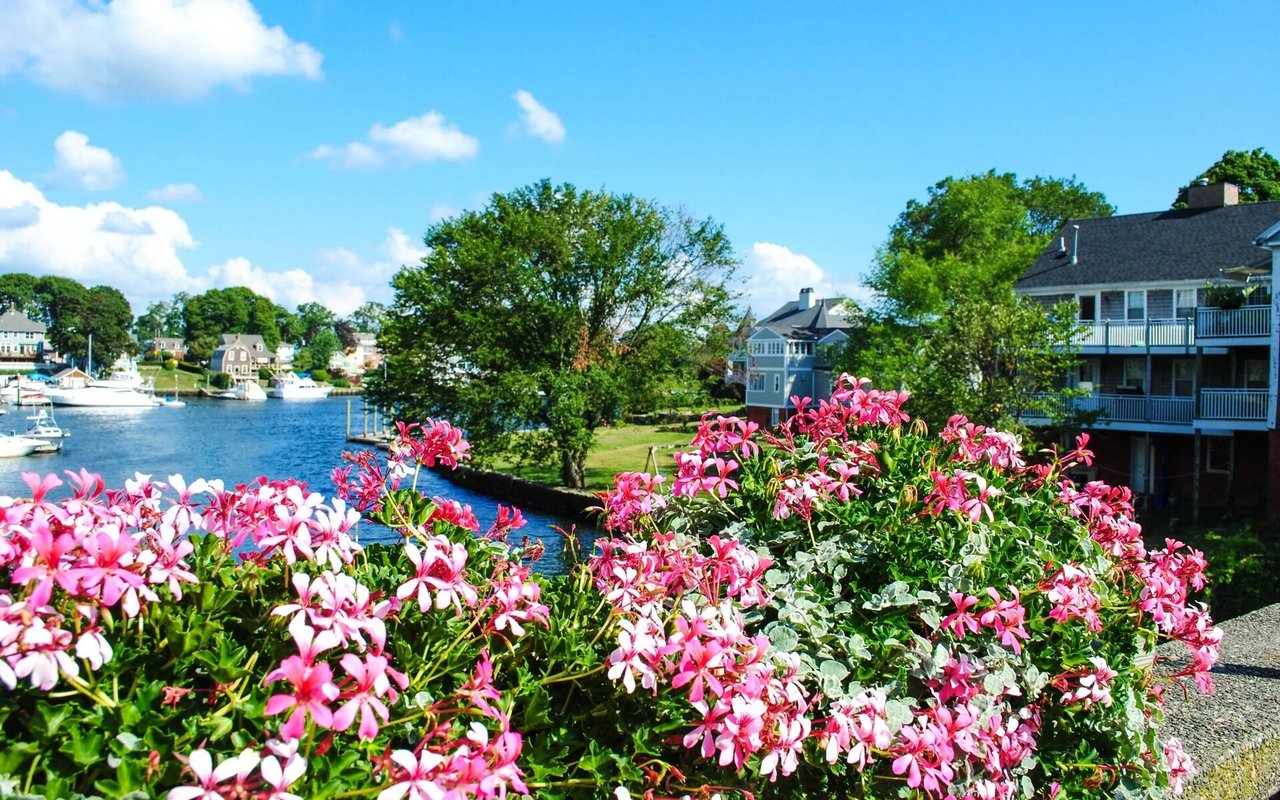
Dock Square is Kennebunkport’s historic village center with high walkability to restaurants, boutiques, and the harbor. Many homes here sit on smaller, older in-town parcels with a mix of historic single-family houses and condo buildings. The area hums with energy in late spring through early fall when tourism peaks, which shapes parking, noise, and daily rhythms. If you value being steps from amenities, you will feel the difference here compared with inland neighborhoods.
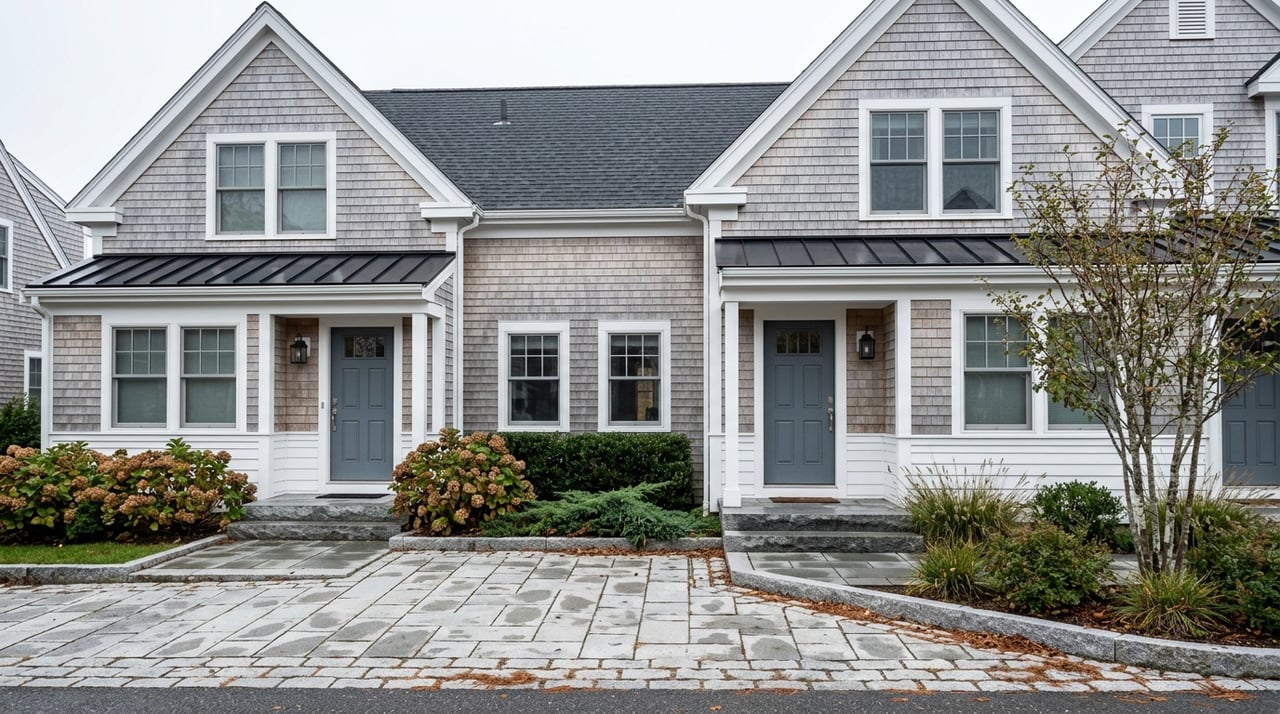
Condo ownership typically shifts exterior items like roofing, siding, landscaping, and snow removal to the HOA. Your monthly dues cover common costs, but coverage varies, and special assessments can arise if reserves are thin. Interior upkeep inside the unit remains your responsibility.
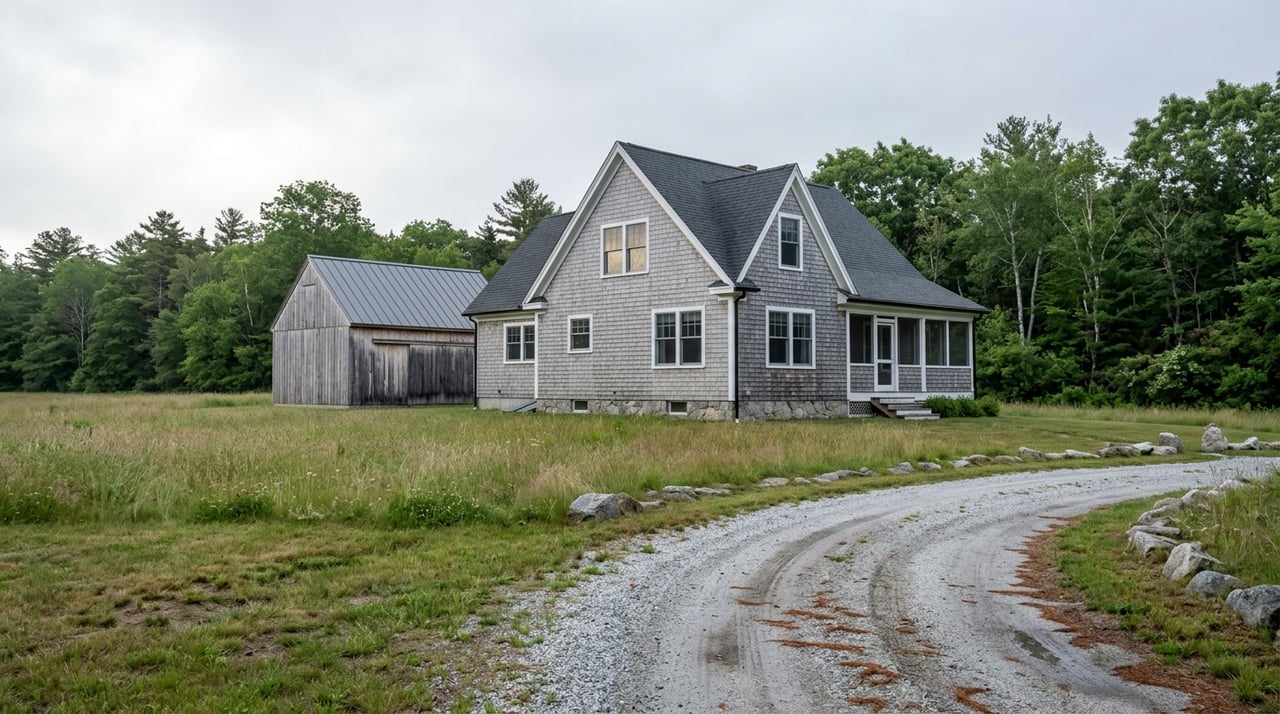
Owning a single-family house means you budget and coordinate everything, including exterior repairs, driveways, and utility systems. Historic in-town homes may require specialized materials and methods, which can increase costs. Expect more variability in annual spend due to items like roofs, foundations, or septic systems.
In condos, the declaration, bylaws, and rules define your rights and responsibilities. Review rental policies, parking allocation, pet rules, and maintenance responsibilities in detail. Assess the association’s governance by reading recent meeting minutes and checking for litigation or past disputes. Clarify insurance structure, including what the master policy covers and what you insure via an HO-6 policy.
With single-family homes, you generally have more freedom, guided by town planning and any historic district requirements. If the property sits in a historic overlay, exterior changes may require design review and permits.
Many Dock Square condos offer limited or deeded parking, sometimes just one space. Off-street parking can be scarce in the village core, and guest parking may depend on municipal lots or on-street availability. Confirm winter parking rules and snow removal responsibilities, especially if you plan to host frequently.
Houses typically have a driveway or garage, though smaller lots near Dock Square can still limit off-street options. If guest hosting is a priority, verify the proximity and cost of municipal lots, and consider how seasonal traffic affects access.
Condos introduce shared walls and common areas, which can increase noise from neighbors, deliveries, or foot traffic. The trade-off is convenience and a lock-and-leave lifestyle with minimal exterior upkeep. This can be ideal if you want to maximize time on the water, at dinner, or traveling.
Single-family homes usually deliver more separation and private outdoor space like a yard or deck. Even so, an in-town house may sit close to restaurants and main streets, so noise can vary block by block. Visit at different times of day and seasons to assess your comfort level.
Condo associations often regulate rentals, especially short-term rentals. Rules may prohibit them entirely or set minimum stay lengths, registration steps, or additional fees. These policies materially affect investor returns and should be confirmed in writing.
Single-family homes more often allow short-term rentals, subject to town rules and any historic constraints. Properties close to Dock Square can command strong seasonal demand, but higher operating costs and management needs can offset income. Always confirm registration and local lodging tax requirements before planning a rental strategy.
Properties near the harbor may be located in FEMA flood zones where lenders require flood insurance. Premiums vary by zone and elevation, so obtain estimates early. Ask for elevation certificates and any recent flood claims information to understand risk and cost.
Coastal storms, wind exposure, and potential erosion influence coverage and long-term planning. Some insurers place limits on coastal coverage, so work with an agent who regularly handles Maine coastal properties.
Many in-town properties connect to municipal sewer and water, though some historic homes may still use private systems. Ask about heating fuel types such as oil, propane, natural gas, or electric, since these affect operating costs. Clarify who handles snow removal for driveways and walkways, whether it is your HOA or a private contractor.
Rank these by importance:
In late spring through early fall, the village sees higher pedestrian and vehicle activity. That means more buzz, longer waits at popular spots, and tighter parking. In the off season, you may enjoy a quieter pace with easier access to favorites and more available guest parking. Touring properties during both peak and shoulder seasons can help you decide which rhythm suits you best.
If you are leaning condo, focus on HOA health, rental rules, deeded parking, and flood risk. If a house feels right, plan for higher and less predictable maintenance, confirm historic review requirements, and verify utilities and insurance early. Either way, a structured plan protects your lifestyle goals and long-term value.
Ready to compare specific properties around Dock Square or build a tailored checklist? Connect with Marika Clark for a private consultation and a concierge, renovation-savvy approach to in-town Kennebunkport living.



Marika Alexis Clark brings unmatched insight, care, and dedication to every home journey. Whether buying, selling, or simply exploring possibilities, her integrity and passion ensure you feel confident every step of the way.