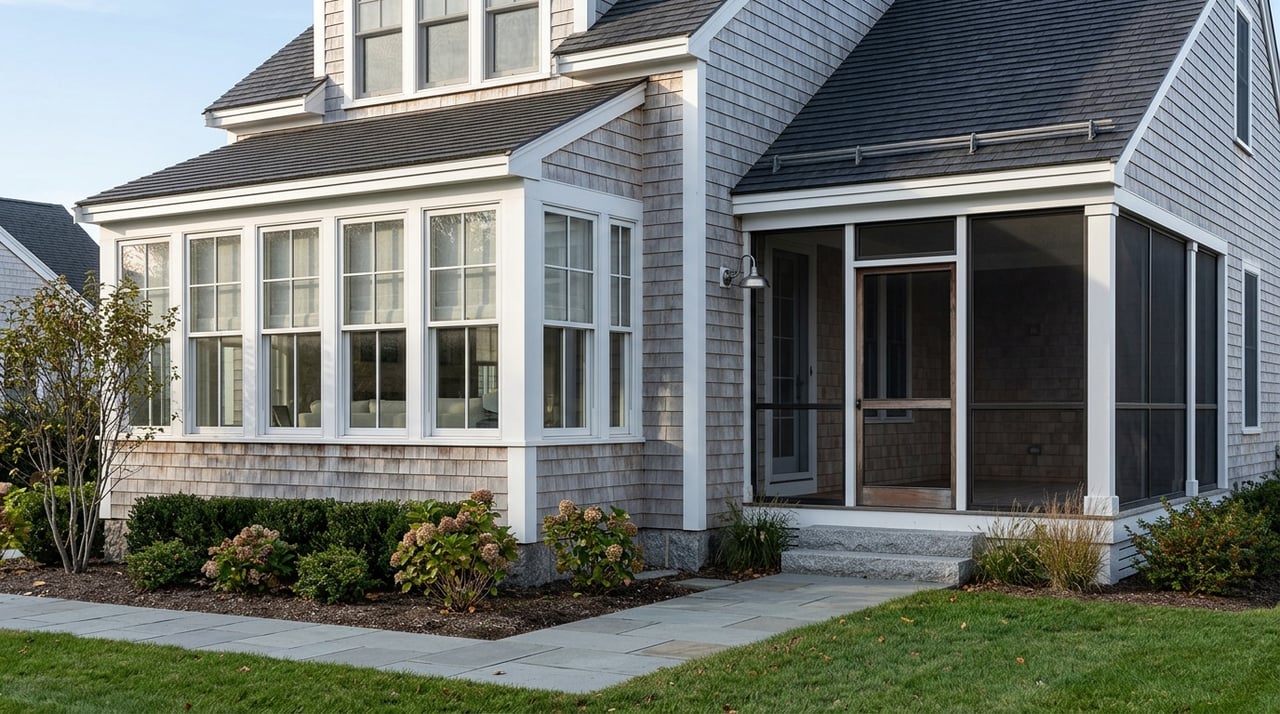
Choosing Between Year-Round and Seasonal Homes in Kennebunkport
April 23, 2026
April 23, 2026
If you are drawn to Kennebunkport, one of the first questions to answer is not just which home to buy, but how you plan to live there. In this market, the difference between a year-round home and a seasonal home can affect everything from utilities and winter access to tax planning and long-term maintenance. Understanding those trade-offs can help you choose a property that fits your lifestyle and avoid costly surprises later. Let’s dive in.
In Kennebunkport, year-round and seasonal ownership are not just marketing labels. They reflect real differences in how a home functions, how it is serviced, and how you may use it throughout the year.
Local climate is a big part of that picture. According to NOAA climate normals for Kennebunkport, the area has an annual mean temperature of 45.3°F and average annual snowfall of 48.9 inches. That means winter ownership typically involves real planning for snow, ice, heating, and access.
Kennebunkport is also shaped by a strong seasonal rhythm. The town’s Climate Action Plan notes that seasonal residents influence how housing and service demand are understood locally. For you as a buyer or seller, that means the year-round versus seasonal question touches both lifestyle and property function.
A year-round home is generally set up for full-time occupancy in every season. That often means dependable winter utilities, practical parking, ongoing heating capacity, and systems designed to stay operational through freezing temperatures.
For many buyers, a year-round property supports more flexibility. You can enjoy the home in every season, plan around a primary residence or extended stays, and use the property without needing a formal seasonal opening and closing routine.
Year-round ownership can also bring different financial benefits. If the home is your permanent residence, you may qualify for Maine’s Homestead Exemption, which can reduce taxable value by up to $25,000, subject to state rules and the April 1 application deadline.
A seasonal home is often designed around part-time use, especially during the warmer months. In Kennebunkport, that can mean a property with systems or service patterns that are not intended for continuous winter occupancy.
Water service is one of the clearest examples. Kennebunk, Kennebunkport & Wells Water District states that some seasonal water mains are shallow lines that do not allow year-round service, and seasonal turn-on and turn-off requests are available. Seasonal accounts also carry an annual seasonal service fee of $60.00.
A seasonal home can be a wonderful coastal retreat, but it usually requires more planning when you leave it vacant. You may need to think through shut-down procedures, freeze protection, storm monitoring, and how the property will be checked during stretches when you are away.
Before you decide whether a home works for year-round living or seasonal use, verify the utility setup by address. In Kennebunkport, utility availability is not always uniform from one parcel to the next.
The town’s sewer rules note that service charges apply to property capable of tying into the public sewer system, and local GIS resources are intended to show sewer locations, water availability, and other infrastructure. That makes sewer access a due-diligence issue, not an assumption.
Water source also matters in coastal areas. The town’s climate planning documents note that some homes rely on private wells and that saltwater intrusion is a long-term concern as seas rise. If you are buying near the coast, it is wise to understand not just whether water is available, but whether the system is suitable for the way you plan to use the home.
A lot of coastal buyers picture summer first. In Kennebunkport, winter is just as important when you are evaluating a home for full-time use.
The town’s climate materials support weatherization and note that many homes are heated with fuel oil, while substantial shares also use propane or electricity. For a year-round owner, that means budgeting for full winter fuel use, system maintenance, and comfort in colder months. For a seasonal owner, it means understanding how the home will be protected when it is not occupied.
Parking and snow logistics also matter more than many buyers expect. Under the town code, parking is prohibited on public ways from midnight to 6 a.m. between December 1 and April 15, with snow-related enforcement considerations, and overnight parking is not allowed in Town-owned off-street areas. If you plan to live in the home year-round, off-street parking and snow removal are practical must-haves.
Whether you plan to live in Kennebunkport full time or use the property as a retreat, coastal conditions should be part of your decision.
The town’s Climate Action Plan identifies sea-level rise, stronger storms, flooding, erosion, and saltwater intrusion as long-term concerns. It specifically highlights areas such as Dock Square, Cape Porpoise, and the beaches as especially vulnerable.
The town’s floodplain ordinance also states that certain areas are subject to periodic flooding and may require flood-hazard development permits. If you are considering renovations, additions, or system upgrades, those rules can affect your plans.
A seasonal home near the coast can sound effortless, but local access rules still shape daily use.
At Goose Rocks Beach, town rules state that parking in the designated beach area is sticker-permit only from Memorial Day weekend through Labor Day weekend because demand exceeds available on-street spaces. A permit also does not guarantee a parking space. That means proximity to the beach does not automatically mean easy peak-season access.
The town code also allows seasonal fee schedules for Dock Square parking and shuttle operations when congestion is heavier. In practical terms, your ownership experience may be influenced by how the town manages summer demand, traffic flow, and emergency access.
| Consideration | Year-Round Home | Seasonal Home |
|---|---|---|
| Water service | More likely to need dependable all-season service | May rely on seasonal turn-on/off service |
| Winter heating | Full winter use and fuel budgeting | Freeze protection and vacancy planning |
| Parking | Off-street parking and snow removal are important | Winter rules still matter even when vacant |
| Taxes | May qualify for Homestead Exemption if it is your permanent residence | Generally does not qualify if not your principal residence |
| Maintenance rhythm | Ongoing year-round upkeep | Opening, closing, and monitoring cycles |
| Coastal resilience | Daily livability in all seasons matters | Vacancy and storm-readiness are key concerns |
If you want to be part of Kennebunkport in every season, a year-round home may offer the consistency and flexibility you need. It can be a strong fit if you are comfortable with winter utilities, snow logistics, and the long-term stewardship that comes with coastal ownership.
If you are looking for a retreat focused on warmer months, a seasonal home may better match your lifestyle. It can work beautifully if you are prepared for the operational side of opening, closing, and monitoring a property that may not be set up for full winter use.
The right choice often comes down to how you define convenience. For one buyer, convenience means staying through winter storms and quiet off-season months. For another, it means locking the door after summer and returning when the coast warms up again.
In Kennebunkport, details matter. The distinction between seasonal and year-round use can influence value, buyer appeal, carrying costs, and renovation planning.
That is where local knowledge and technical fluency make a difference. If you are buying, you want clarity on utility setup, winter readiness, flood considerations, and the true operating rhythm of the property. If you are selling, you want those same details positioned clearly so buyers understand the home’s character, capabilities, and stewardship needs.
If you are weighing a year-round move or evaluating a seasonal retreat in Kennebunkport, Marika Clark can help you assess the property through both a lifestyle and technical lens, from utility questions to renovation implications and long-term value.


Marika Alexis Clark brings unmatched insight, care, and dedication to every home journey. Whether buying, selling, or simply exploring possibilities, her integrity and passion ensure you feel confident every step of the way.