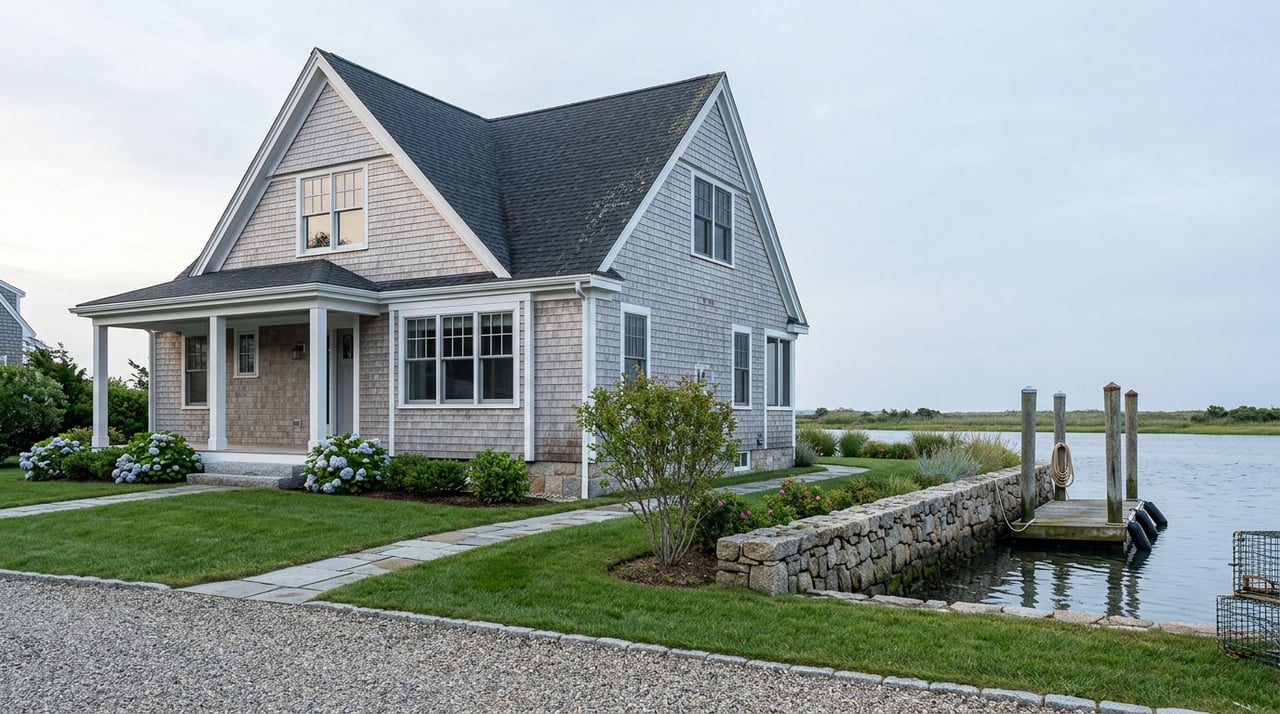
What if opening your Kennebunkport home each spring and closing it each fall felt calm and predictable? Seasonal living on the coast can be smooth when you work with local timing cues, follow a clear checklist, and plan vendor support early. Whether you live here part time or own a second home, you want to protect your investment and enjoy more time by the water. This guide gives you practical dates, safety steps, and local best practices tailored to KPT. Let’s dive in.
Why timing matters in KPT
Kennebunkport’s coastal setting brings salt air, strong winds, and nor’easters that challenge roofs, docks, and exterior systems. Winter temps can freeze plumbing fast. In spring, late cold snaps can surprise you after a warm week. A deliberate open-and-close rhythm helps you avoid frozen pipes, moisture and mold, septic issues, and storm damage.
You’ll use both the calendar and conditions to decide when to act. Lean on multi-day temperature trends, local weather forecasts, and water-department notices rather than a single date.
When to open for spring
- Typical window: mid April through early May.
- Watch for several days of overnight temps above freezing and a stable forecast.
- If you rely on municipal water, follow your water department’s posted turn-on schedule and instructions.
If you want to warm and inspect interiors sooner, you can power up heat and basic systems earlier while keeping water off until conditions are safe.
When to winterize in fall
- Typical window: late October through early November.
- Aim to finish before the first sustained subfreezing stretch.
- Monitor forecasts for early cold snaps and coastal storms, which can push your timeline earlier.
If you rent seasonally, line up closing tasks with your last booking and your vendors’ peak schedules.
Water safety and seasonal mains
Some streets in New England operate with seasonal water lines that are shut off or isolated in winter. Confirm your service type and any seasonal procedures with the Town of Kennebunkport water department or your local district. If service is restored in spring, plan to flush fixtures, replace filters, and follow any boil-water advisories.
If you have a private well, inspect equipment before restart and test your water at least annually or after any shutdown. Guidance from federal and state health agencies recommends bacteriological testing and proper flushing after interruptions to ensure drinking water is safe.
Spring opening checklist
Use this list to bring your home back online safely.
Water and plumbing
- Confirm service type: municipal vs private well. Ask if your area uses seasonal mains.
- Turn on the main water supply slowly and check all joints and fixtures for leaks.
- Flush each faucet until clear; run toilets and water-based appliances.
- Replace whole-house and refrigerator filters. Refill and check the water heater; flush sediment if needed.
- For private wells: inspect the wellhead and pressure tank, restore pump power, and test for coliform/E. coli and nitrates with a state-certified lab.
Heating, fuel, and appliances
- Service boilers or furnaces; verify oil or propane levels and delivery schedules.
- Run short test cycles on heat and key appliances; replace HVAC filters.
- Check thermostat settings, batteries, and any smart controls.
Septic system
- If usage has been high or it’s been several years, schedule pumping based on professional guidance. Protect distribution boxes from flooding and avoid driving over the drain field.
Chimney and combustion safety
- Schedule a chimney sweep and inspection before first fall use.
- Inspect wood or gas stoves and flues; address seals and creosote.
- Test smoke and carbon monoxide detectors; replace batteries.
Building envelope and exterior
- Inspect roofing, flashing, and skylights; repair loose shingles and flashing.
- Clean gutters and downspouts.
- Seal gaps around windows and doors; install storm panels if used.
- Reconnect exterior hose bibs and check backflow devices.
Marine, docks, and boats
- Inspect docks and pilings for winter damage.
- If reinstalling or servicing, plan work around low tides and safe weather windows.
- Coordinate early with dock and marina contractors, as tides and demand limit availability.
Pest control and moisture
- Inspect for rodent entry points and set traps if needed.
- Ensure crawlspace ventilation; use dehumidifiers during damp spells.
Documentation and insurance
- Photograph pre-opening conditions.
- Update your insurer on occupancy status.
- Keep a seasonal folder with vendor contacts, invoices, and serial numbers for key systems.
Fall winterizing checklist
Protect your systems before freezing temps settle in.
Water and plumbing
- Shut off interior valves where needed. Drain domestic lines or have a licensed plumber perform a full blowout with compressed air.
- Drain irrigation lines and shut off at the main.
- Drain and insulate exterior hose bibs; use frost-free sillcocks or insulated covers.
- Set water heaters to vacation mode or follow manufacturer guidance for draining. Insulate hot water pipes in cold areas.
- Leave cabinet doors open in cold-prone areas during shoulder seasons if you keep heat on.
Heating, fuel, and appliances
- Clean gutters and downspouts to reduce ice dam risk.
- If you leave heat on, set thermostats to a safe minimum, commonly 50 to 55°F, and enable remote alerts if available.
- Winterize humidifiers and shut down air conditioning per manufacturer guidance.
Septic system
- If you will use the home into late fall, schedule pumping ahead of freeze when appropriate.
- Maintain grading and landscaping to divert water from tanks and fields.
Chimney and combustion safety
- Complete any repairs flagged during inspection.
- Verify detector placement near sleeping areas and heating devices.
Building envelope and exterior
- Inspect and seal exterior gaps; install storm windows or doors if used.
- Secure outdoor furniture and store hoses and pool equipment.
- Check roof and flashing one last time for loose materials before winter winds.
Marine, docks, and boats
- Schedule dock haul-out or shoreline winterizing early; spring and fall are peak windows.
- Follow marina guidance for antifreeze, batteries, and shrink-wrapping.
Pest control and interior moisture
- Remove food sources and seal entry points.
- Use moisture control in basements or crawlspaces to deter mold during shoulder seasons.
Security, insurance, and records
- Update your insurer on any risk changes.
- Photograph pre-closing conditions and file checklists.
- Confirm key handling, lockbox access, and emergency contacts with vendors.
Vendor coordination and lead times
Spring and fall are the busiest times in coastal Maine. Plan ahead.
- Book plumbers, HVAC/boiler techs, chimney sweeps, septic pumpers, and dock contractors 4 to 8 weeks ahead. For marinas and major exterior work, allow 6 to 12 weeks, especially near holiday weekends.
- Hire licensed, insured professionals with local experience. Look for credentials that match the work, such as a licensed plumber for blowouts, a certified chimney sweep, and a licensed septic operator.
- Put scope, timing, access, and emergency procedures in writing. Ask for a clear checklist and what “done” looks like.
Remote owner playbook
If you will not be on site for opening or closing, set a simple remote routine.
- Use shared checklists and request photo or video confirmation of each completed task.
- Manage secure access with a lockbox and one point of contact per vendor.
- Request written confirmation, invoices, and any warranty or maintenance notes.
Seasonal water: key safety steps
Whether you are on municipal water or a private well, treat spring restart with care.
- Municipal: follow the water department’s schedule. Flush fixtures until clear, replace filters, and follow any boil-water advisories. Consider bacteriological testing after interruptions or if water is discolored or off-tasting.
- Private well: inspect the cap and sanitary seal, verify normal pump pressure cycles, and test water for bacteria and nitrates after restart or at least annually. If a well sat idle or was exposed, shock-chlorinate and retest before full use.
These steps reduce the risk of gastrointestinal illness from contaminated water and help you catch mechanical issues early.
Keep your coastal home resilient
KPT’s seasons are part of the charm. With a clear plan, the right vendors, and attention to water safety, you can open smoothly in spring and rest easy all winter. Keep photos, invoices, and checklists in one place and update your calendar each year with what worked and what to improve.
Ready to craft a tailored opening and winterizing plan for your Kennebunkport property? Reach out to schedule a brief consultation and get local vendor introductions that fit your goals.
FAQs
When should I book vendors for Kennebunkport openings and closings?
- Book 4 to 8 weeks ahead for plumbers, HVAC techs, chimney sweeps, septic services, and dock work. For marinas and major roof or exterior projects, plan 6 to 12 weeks ahead.
How do I know if my Kennebunkport property uses seasonal water mains?
- Contact the Town of Kennebunkport water department or your local water district to confirm if your street is on a seasonal main and to learn turn-on procedures and any fees.
Is annual water testing necessary for private wells in southern Maine?
- Yes. Test for coliform/E. coli and nitrates at least once a year or after any shutdown or disturbance. Use a state-certified laboratory for accurate results.
Can I leave the heat off in my seasonal coastal home?
- Leaving heat off increases the risk of frozen pipes and moisture problems. If you keep heat on, set it to 50 to 55°F. If you fully winterize, have a licensed pro drain systems properly.
What coastal risks are unique to Kennebunkport closings?
- Nor’easters, storm surge, and tidal flooding can affect docks, foundations, and septic fields. Plan dock work around tides, secure exterior items, and verify drainage around septic components.
What records should I keep for seasonal stewardship?
- Maintain a folder with vendor contacts, written scopes, invoices, photos of pre-open and pre-close conditions, and equipment serial numbers. Share it with your insurer when needed.
—
If you are planning a sale, purchase, or seasonal strategy in Kennebunkport, connect for high-touch guidance, renovation insight, and local vendor referrals. Request a private consultation with Marika Alexis Clark at Legacy Properties Sotheby’s International Realty to start your plan today.